Why Healthcare
With a population exceeding 1.4 billion, ensuring last-mile delivery of healthcare in India remains a significant challenge. The country’s vast geospatial diversity further complicates accessibility and availability, particularly in remote and difficult-to-reach areas. Over 65% of the population resides in rural regions, which are served by a disproportionately small share of the overall healthcare infrastructure. Meanwhile, urban slum dwellers often prioritize daily survival over healthcare needs, leading to underutilization of available services.
In addition to infrastructural gaps, limited awareness and uneven distribution of healthcare resources continue to hinder effective service delivery. Bridging these disparities is essential to achieving the objectives of Universal Health Coverage and realizing the Government of India’s vision under the Ayushman Bharat initiative.
Activities implemented
Mega Health Camps (Neemrana, Rajasthan)
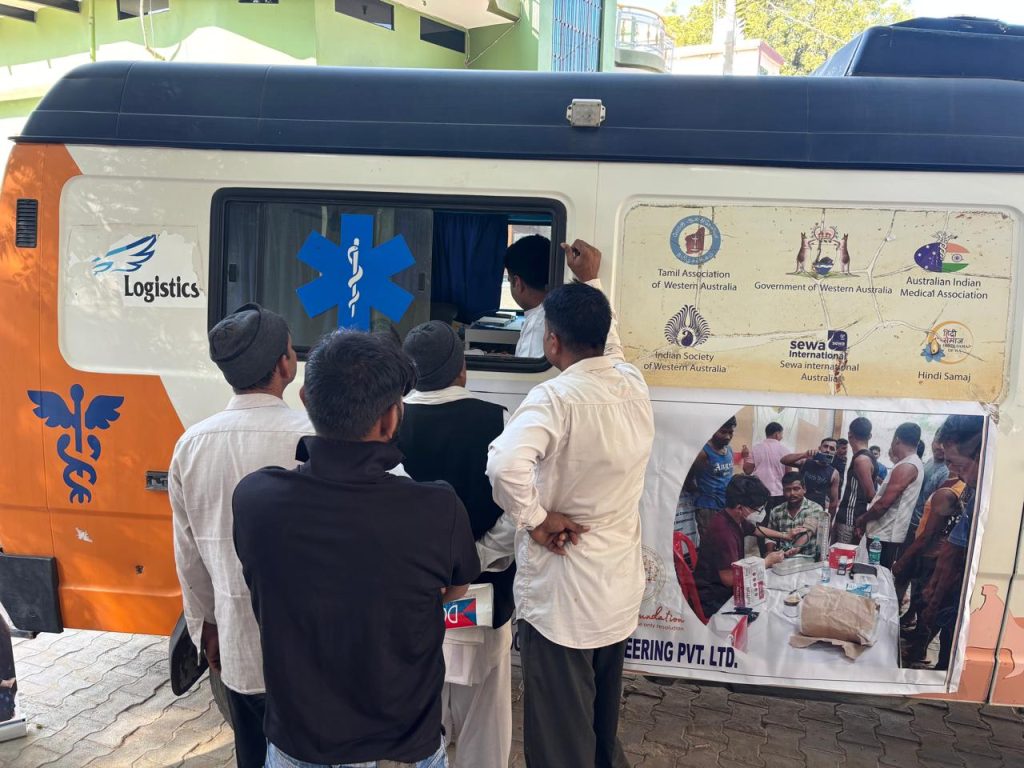
The Mega Health Camps, jointly organized by Sukalp Foundation and ISOIF with CSR support from Sankyu India Logistics and Engineering Pvt. Ltd., were conducted in the underserved rural and industrial areas of Neemrana, Rajasthan. These camps aimed to address the pressing healthcare needs of the local population, particularly those suffering from pollution-related illnesses and limited access to primary care. Comprehensive services were provided, including on-site consultations by general physicians for both acute and chronic conditions. Individuals received personalized health advice following symptom assessments and screening tests.
Health screenings for blood pressure, blood sugar (diabetes), and haemoglobin levels (to detect anaemia) were conducted to identify hidden health issues. Free medicines were distributed for common ailments such as hypertension, diabetes, anaemia, and gastric disorders. Nutrition kits containing iron supplements, multivitamins, protein sachets, and educational booklets were provided, especially targeting women, children, and the elderly affected by malnutrition. Preventive healthcare awareness sessions were also held, focusing on personal hygiene, seasonal disease prevention (such as malaria and dengue), respiratory health concerns due to pollution, and the harmful effects of smoking and alcohol. For cases needing specialized or long-term care, referral services were arranged.
The initiative had a broad reach, serving villages including Gandala, Fauladpur, Kolila Joga, and Manjhra. In Gandala, for example, 147 patients received treatment, leading to better early diagnosis of respiratory conditions. In Fauladpur, nutrition counselling significantly helped reduce anaemia in women and children. Meanwhile, hygiene awareness efforts in Manjhra resulted in noticeable decreases in diarrhoea and skin infections.
Online Clinics During COVID-19
To ensure continuous access to healthcare during COVID-19 lockdowns, the RASHA Welfare Foundation and Matrubhumi Sewa Sankalp Foundation launched Online Clinics. These digital health services aimed to minimize movement and prevent overburdening the healthcare infrastructure while ensuring patients still received essential care. Certified doctors offered telemedicine consultations covering a wide range of issues including common illnesses, mental health concerns, and COVID-related symptoms.
Patients were issued e-prescriptions that they could fulfill at local pharmacies, and digital helpdesks staffed by volunteers handled triage, answered health-related queries, and scheduled appointments. This model proved particularly effective in reducing unnecessary hospital visits, allowing for early diagnosis, and promoting home-based treatment. The initiative played a crucial role in managing public health during a time of extreme crisis and isolation.
Nutrition Awareness & Kit Distribution
Led by ISOIF and RWF, the Nutrition Awareness & Kit Distribution program focused on vulnerable groups such as pregnant and lactating women, children between the ages of 1 and 12, and elderly individuals suffering from nutritional deficiencies. The initiative included awareness workshops aimed at educating communities on balanced diets, anaemia prevention, and how to access affordable and nutritious foods.
Professional counselling sessions guided participants on planning iron-rich diets, increasing protein intake, and adopting healthy lifestyle habits. As part of the intervention, nutrition kits containing iron tablets, multivitamin supplements, protein powders, fortified biscuits, and pulses were distributed. The program led to a visible reduction in malnutrition symptoms and weakness among beneficiaries and fostered greater trust, encouraging higher participation in other healthcare activities.
Hygiene Awareness Campaigns
The Hygiene Awareness Campaigns, conducted by ISOIF and RWF, were launched with the goal of reducing diseases caused by poor hygiene, such as diarrhoea, skin infections, and respiratory problems. The campaign included workshops in both schools and village settings, where hygiene practices were taught through engaging demonstrations and community sessions.
Educational materials, including posters, booklets, and wall paintings, were used to illustrate best practices in sanitation, personal hygiene, safe water storage, and toilet use. Emphasis was also placed on waste segregation and proper disposal methods to improve community cleanliness. A notable impact of the campaign was observed in Manjhra Village, where enhanced hygiene behaviors led to a significant decline in common infections, particularly among children.
Rural Health Support Centers (Under Gurukul Model)
The concept of Rural Health Support Centers under the Gurukul Model was introduced by the Matrubhumi Sewa Sankalp Foundation as a holistic approach to rural development. The model integrates education, healthcare, skill development, and spiritual well-being, with a central Gurukul established in Satna, Madhya Pradesh, serving as a hub for 50 surrounding villages.
Within the health component, a permanent health center is proposed to offer basic check-ups, distribute essential medicines, and provide referral services. Mobile medical units are planned to reach remote and underserved tribal populations. In addition, wellness sessions focusing on yoga, meditation, natural healing, and mental health awareness will support holistic health. This model aims to create a sustainable and community-centered healthcare framework, with regular monitoring and follow-up care for individuals with chronic conditions.