WHY EDUCATION ?
Addressing key societal challenges such as healthcare, poverty, population growth, unemployment, and human rights begins with one powerful solution—education. Providing quality education to underprivileged children lays the foundation for a more equitable and progressive society. It not only equips them with the tools for a better future but also shapes them into responsible and informed citizens at both national and global levels.
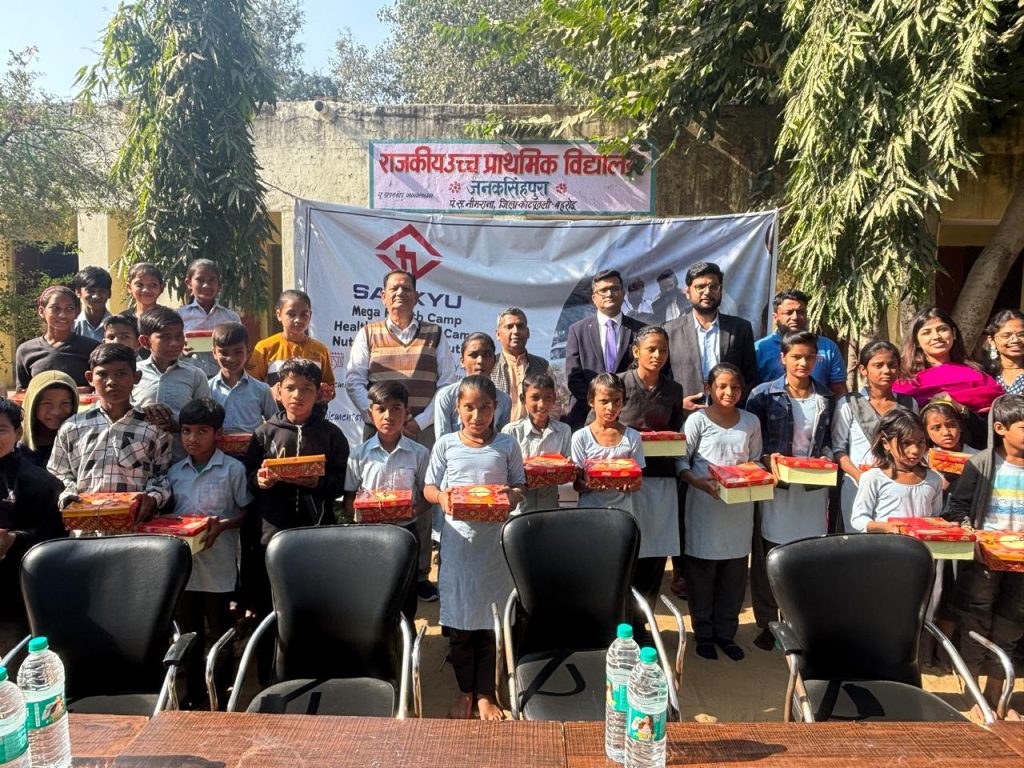
The implementation of the Right to Education (RTE) Act in 2010 marked a significant milestone by mandating free and compulsory education for children aged 6 to 14 years. However, despite this progressive legislation, many children continue to face barriers to effective learning. Economic hardships, lack of parental awareness, and inadequacies in school infrastructure and teaching quality remain major roadblocks. These challenges must be addressed urgently to ensure that education truly becomes a transformative force for every child in India.
Activities implemented
1. Primary Education Campaigns
The Samvahak Family, through RASHA Welfare Foundation (RWF) and ISOIF, has launched impactful Primary Education Campaigns targeting school-aged children and their parents, especially in underserved and rural communities. These campaigns focus on generating awareness about the importance of early and continuous education, aligning with the goals of the National Education Policy (NEP) 2020 to promote equitable and quality learning opportunities for all.
Awareness drives were conducted across schools and village communities to emphasize the long-term benefits of education. In addition, workshops and webinars brought together teachers, students, and parents to discuss crucial topics such as the importance of early learning, active parental involvement, and various government schemes designed to support school education. To reach illiterate and semi-literate families, pamphlets and educational booklets were distributed, outlining the benefits of education, school enrollment procedures, and available infrastructure facilities. These efforts have led to a noticeable rise in primary school enrolments, strengthened parent-school engagement, and improved public understanding of education’s role in social and economic upliftment.
2. Gurukul – Integrated Education Model
The Matrubhumi Sewa Sankalp Foundation has implemented a pioneering educational model through the Matrubhumi Sewa Kshetram Gurukul, located in Pindra village, Majhgawan Block, Satna District, Madhya Pradesh. This residential learning center caters to students from classes 6 to 12 and integrates a modern academic curriculum with Vedic education and Indian cultural values. The curriculum combines subjects like science, mathematics, social studies, and computer literacy with Sanskrit, Indian philosophy, yogic practices, Gita recitation, and meditation.
The Gurukul provides residential facilities, nutritious mid-day meals, basic healthcare, and access to digital learning tools, a well-equipped library, and practical labs. Beyond academic learning, the Gurukul acts as a community hub, supporting 50 nearby villages through outreach services such as agriculture extension programs, health camps, and self-help group (SHG) training. The initiative fosters intellectual, spiritual, and physical development while nurturing leadership and community engagement among students from an early age.
3. Short Film Development for Education and Awareness
In an innovative approach to education and social awareness, the Matrubhumi Sewa Sankalp Foundation has developed a series of short films and audiovisual content to communicate important messages in an engaging and accessible format. These films, ranging from documentaries to cultural storytelling and training videos, aim to preserve indigenous knowledge, promote India’s cultural heritage, and raise awareness about social issues.
Themes covered include rural health and hygiene, financial and digital literacy, the importance of education and traditional wisdom, career guidance, and women empowerment. These films are screened in rural villages, schools, and at public gatherings, serving as effective tools in awareness campaigns and capacity-building efforts. By using visual media, the initiative ensures meaningful engagement with low-literacy audiences, while also encouraging local storytelling and community participation, thereby building both awareness and ownership at the grassroots level.
4. Seminars, Workshops & Competitions
RASHA Welfare Foundation and Matrubhumi have actively organized a range of seminars, workshops, and competitions to enhance educational experiences beyond the classroom. Seminars have addressed diverse topics such as legal literacy, environmental education, NEP 2020, and career planning, with a specific focus on tribal and rural students. These sessions often included guidance on accessing scholarships and navigating higher education opportunities. Workshops have helped build essential life skills in communication, mindfulness, personality development, and digital safety. Civic education and constitutional values were emphasized to instill responsible citizenship from a young age. Creative competitions—such as essay writing, poster-making, speeches, and painting—encouraged self-expression, innovation, and teamwork. These initiatives have not only improved student confidence and articulation but also cultivated curiosity, a sense of civic responsibility, and provided platforms for young learners to interact with mentors and showcase their talents.